

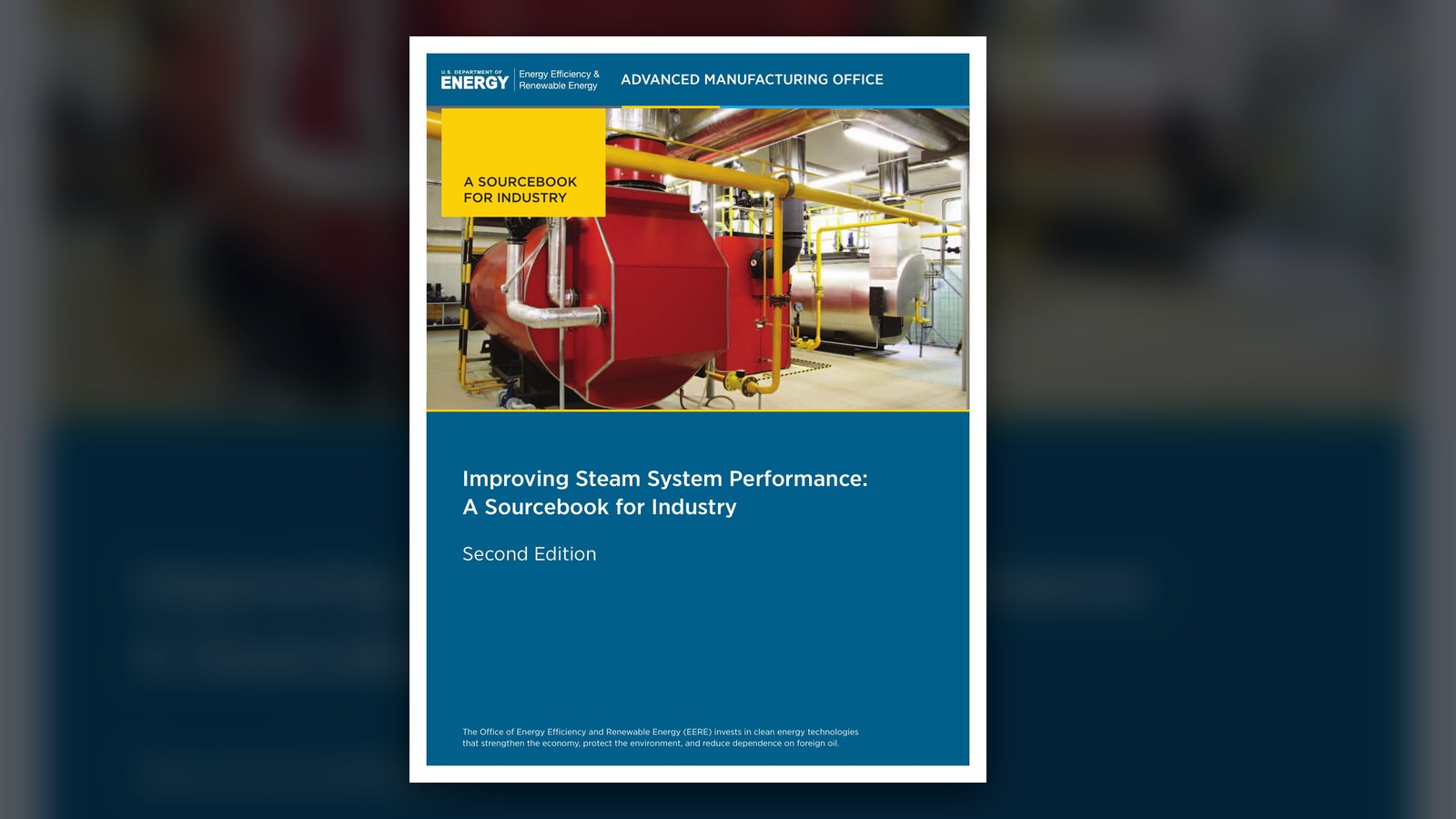
Steam is an indispensable energy carrier for a vast array of industrial processes, essential for heating, sterilization, power generation, and driving mechanical equipment in manufacturing facilities. While incredibly versatile, steam systems are also inherently complex and, without diligent management, prone to significant energy losses. These 'hidden' losses often go unnoticed in the absence of robust monitoring, silently escalating operational costs, increasing greenhouse gas emissions, and impacting process reliability. For facility managers, energy engineers, and operations leaders in manufacturing, understanding and implementing comprehensive steam system metering and optimization strategies is paramount to recovering these wasted resources and unlocking substantial energy savings.
Steam systems in industrial environments commonly operate below their design efficiency, and the losses are difficult to see without instrumentation. With targeted metering and disciplined trap management, those inefficiencies can be identified, quantified against your own system, and systematically corrected.
The High Cost of an Unoptimized Steam System
The generation and distribution of steam are energy and resource-intensive processes. Producing steam requires significant amounts of fuel (natural gas, oil, coal), treated water, and electricity for pumps and fans. When steam is wasted, all the energy embedded in its production is lost. This waste manifests in several forms:
- Fuel Consumption: Higher fuel bills from boilers working harder to compensate for losses.
- Water Treatment: Increased need for costly treated makeup water to replace lost condensate.
- Chemical Treatment: More chemicals required to maintain water quality in the boiler system.
- Maintenance & Reliability: Overworked equipment, premature component failure, and unexpected downtime.
- Emissions: Elevated greenhouse gas emissions from burning more fuel than necessary.
- Safety Hazards: Leaking steam can create dangerous conditions and potential burn risks.
Foundational Step: Steam System Metering
Before you can optimize, you must measure. Accurate steam metering provides the invaluable data needed to understand consumption patterns, identify areas of waste, and quantify savings from optimization efforts. Steam metering measures both the mass flow rate and the thermal energy content (BTU) of the steam.
Types of Steam Flow Meters
- Vortex Shedding Flow Meters: These are commonly used for steam applications. They measure the frequency of vortices shed from a bluff body placed in the flow path, which is directly proportional to the flow velocity.
- Differential Pressure (DP) Flow Meters (Orifice Plates, Venturi Meters): These meters create a pressure drop across a restriction in the pipe, and the flow rate is inferred from the differential pressure. They require compensation for steam density variations.
- Annubar Flow Meters: A variation of DP meters, often used for larger pipe sizes.
Measuring BTU Content (Enthalpy Calculation)
Unlike simple liquids, the energy content of steam (enthalpy) varies significantly with pressure and temperature. A comprehensive steam BTU meter system includes:
- Flow Meter: To measure the mass flow of steam.
- Pressure Transmitter: To measure steam pressure.
- Temperature Transmitter: To measure steam temperature.
- Flow Computer/Integrator: This device takes inputs from the flow meter, pressure, and temperature sensors. It then uses steam tables (or algorithms derived from them) to calculate the steam density and specific enthalpy, ultimately providing a highly accurate reading of the thermal energy (BTUs or MWhth) contained in the steam passing through the meter.
Strategic Metering Points
- Boiler Output: Measure the total steam generated by each boiler and the entire boiler plant.
- Main Distribution Headers: Monitor total steam delivery to different sections of the plant.
- Individual Process Lines: Submeter specific high-consuming processes or departments to allocate costs and identify process-level inefficiencies.
- Condensate Return: Measure return condensate flow to determine effectiveness of the return system.
Core Optimization Strategy 1: Proactive Steam Trap Monitoring and Management
Steam traps are crucial components designed to discharge condensate and non-condensable gases from steam lines and equipment while preventing the escape of live steam. When a steam trap fails (either open or closed), it becomes a significant source of energy waste.
- Failed Open Trap: Allows live steam to blow through into the condensate return system, wasting massive amounts of energy and potentially overpressurizing condensate lines. This is the most common and costly type of failure.
- Failed Closed Trap: Causes condensate to back up, leading to water hammer, corrosion, reduced heat transfer efficiency in equipment, and potential damage.
The Magnitude of the Problem: Failed traps accumulate in any system without a survey program, and each failed-open trap vents live steam continuously until it is found. The only way to know your own failure rate is to survey the trap population and measure it.
Modern Steam Trap Management
- Regular Audits (Ultrasonic & Infrared): Emergent Energy Solutions conducts comprehensive steam trap surveys using advanced ultrasonic leak detectors and thermal imaging cameras. Ultrasonic devices can 'listen' to the internal flow characteristics of a trap, detecting blow-through or backup conditions. Infrared cameras identify temperature differentials indicative of failure.
- Smart Steam Trap Monitoring (IoT): For critical applications, permanently installed, wireless IoT sensors can continuously monitor steam trap performance (temperature, acoustic patterns) and transmit data to a central platform. AI/ML algorithms analyze this data, providing real-time alerts on failing traps, prioritizing maintenance, and preventing large-scale energy losses.
- Scheduled Repair and Replacement: Once identified, failed traps must be repaired or replaced promptly. A proactive maintenance program minimizes the accumulation of failed traps.
- Proper Sizing & Selection: Ensuring the correct type, size, and installation of steam traps for specific applications is critical for long-term performance and efficiency.
Core Optimization Strategy 2: Maximizing Condensate Return
Condensate is hot, clean, treated water. Recovering and returning it to the boiler feedwater system is one of the most impactful energy-saving measures in a steam system.
Benefits of High Condensate Return
- Energy Savings: The condensate retains a significant amount of sensible heat. Returning it to the boiler feedwater tank reduces the amount of cold makeup water that needs to be heated, saving substantial fuel.
- Water Savings: Less treated makeup water is needed, reducing raw water intake and associated treatment costs (chemicals, deaeration).
- Chemical Savings: Less makeup water means less chemical treatment is required to maintain boiler water chemistry.
- Reduced Blowdown: Higher condensate return ratio often leads to fewer boiler blowdown events, further saving energy and water.
Strategies for Maximizing Return
- Efficient Condensate Pumps/Pumping Traps: Ensure condensate pumps are working efficiently and are appropriately sized for the system. Mechanical pumping traps can be very efficient for returning high-temperature condensate.
- Insulation of Condensate Lines: Insulating all condensate return lines (both flash and liquid) minimizes heat loss during return, maximizing the energy value of the condensate.
- Flash Steam Recovery: Condensate from high-pressure steam applications, when discharged to a lower pressure, produces flash steam. This flash steam, often vented to atmosphere, can be captured in a flash tank and utilized for lower-pressure processes or for heating feedwater.
- Maintaining Return Lines: Regular inspection and repair of condensate return lines to prevent leaks and blockages.
- Corrosion Prevention: Effective boiler and condensate treatment to prevent corrosion in return lines, preserving their integrity and minimizing leaks.
Core Optimization Strategy 3: Boiler Efficiency and Combustion Controls
The boiler is the heart of the steam system. Optimizing its performance is fundamental to overall system efficiency.
- Combustion Optimization:
- Automated Combustion Controls: Modern boiler controls utilize oxygen trim systems and variable frequency drives (VFDs) on forced draft (FD) and induced draft (ID) fans to precisely control the air-to-fuel ratio. This ensures optimal combustion efficiency across varying loads, minimizing excess air (which wastes heat) and preventing incomplete combustion (which creates emissions and soot).
- Regular Tune-ups: Periodic combustion analysis and adjustment by qualified technicians ensure the boiler operates at its peak efficiency.
- Boiler Blowdown Control:
- Automatic Surface Blowdown: Automated blowdown systems monitor boiler water conductivity and precisely control the amount of water blown down, preventing excessive heat and water losses while maintaining water quality.
- Economizers and Air Preheaters:
- Economizers: Heat boiler feedwater using waste heat from the flue gases, increasing the feedwater inlet temperature and reducing the fuel required to produce steam.
- Air Preheaters: Heat combustion air using flue gas waste heat, further improving combustion efficiency.
- Boiler Insulation and Radiation Losses:
- Ensure proper insulation on the boiler shell, steam lines, and valves to minimize heat losses to the environment.
- Load Management and Boiler Cycling:
- In multi-boiler plants, intelligent controls should optimize boiler sequencing. Running fewer boilers at higher loads (closer to their design efficiency point) is generally more efficient than running multiple boilers at low, inefficient loads.
The Role of Emerging Technologies and Consulting Expertise
- Energy Management Systems (EMS) Integration: Integrating steam metering data, boiler controls, and steam trap monitoring into a centralized EMS provides a holistic view of the steam system's performance, enabling real-time analytics, alarming, and historical trending.
- Digital Twins and AI/ML: Advanced analytics and digital twin technology can model complex steam system behavior, predict optimal operating points, and identify subtle inefficiencies that traditional methods might miss.
- Utility Rebate Administration: Many utilities offer significant incentives for steam system upgrades (e.g., boiler replacements, economizers, VFDs, smart controls). Emergent Energy Solutions specializes in identifying these opportunities, preparing necessary documentation, performing measurement and verification (M&V), and securing the maximum available rebates, greatly improving project ROI.
- Sustainability Consulting: Optimizing steam systems directly contributes to a facility's sustainability goals by reducing fuel consumption and associated carbon emissions. We help integrate these efforts into broader decarbonization strategies and reporting.
Illustrative Example: Modeling a Steam System Optimization
This section is an illustrative model, not a client engagement. It shows how the measures described above would combine on a hypothetical plant. No work described here was performed by Emergent Energy Solutions, and no facility, location, operator, or sector is being described.
Consider a plant running a steam system for process heat and hot water, with consistently high natural gas consumption, no granular steam metering, an unmanaged steam trap population, and condensate return running near 60% with heat loss in the return lines.
- What would be instrumented: vortex shedding BTU meters on the main boiler header and on individual process branches, plus a flow meter on the condensate return line, so generation, distribution, and return can be reconciled against each other rather than inferred from the gas bill.
- What a trap survey would establish: an ultrasonic and thermal imaging survey would quantify the failed-open population, which is the prerequisite for pricing a repair program. Failure rates vary widely by trap type, age, and maintenance history, so the count has to be measured before any loss figure can be stated.
- What the measures would be: repair or replacement of failed traps, repair and insulation of condensate lines, flash steam recovery to preheat boiler makeup water, and an O2 trim combustion control upgrade with a VFD on the FD fan.
- How savings would be established: the header and branch meters would provide the before-and-after data. Gas savings would be calculated from metered steam production against metered fuel input, priced at the plant's own contracted gas rate. Makeup water savings would follow from the improvement in condensate return fraction.
- What could be claimed afterward: only what the meters show. That same before-and-after record is what a utility custom rebate program requires for measurement and verification, so the instrumentation serves the operations case and the incentive application at once.
No savings, rebate, or payback figures are projected here, because none can be derived without the plant's own fuel price, load profile, and installed cost.
Conclusion
Steam systems are vital industrial assets, but their inherent complexities make them prime targets for significant, often hidden, energy losses. Through a systematic approach encompassing accurate steam metering, proactive steam trap management, aggressive condensate return strategies, and continuous boiler efficiency optimization, manufacturing facilities can uncover and recover substantial quantities of wasted energy. This not only translates into reduced operational costs and improved bottom lines but also contributes significantly to environmental stewardship and corporate sustainability goals.
Emergent Energy Solutions possesses the technical expertise, advanced tools, and practical experience to meticulously assess your steam system, design bespoke optimization strategies, oversee their implementation, and expertly navigate the utility rebate landscape. Don't let your steam system drain your profits; unlock its full potential for efficiency and reliability. Contact us today to begin your journey towards a more optimized and sustainable steam operation.
Go deeper on Steam Metering — scope, hardware, and delivery details.