

Overview
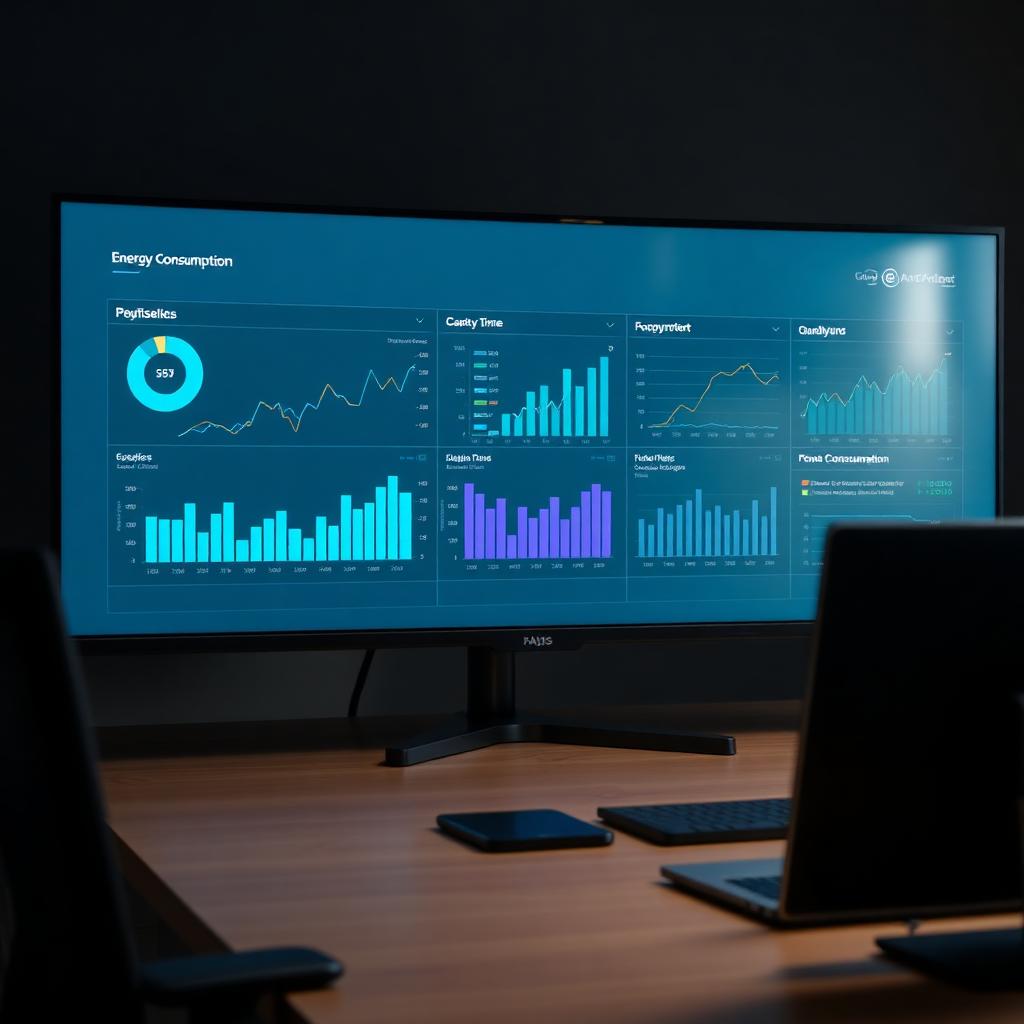
Pairing Panoramic Power wireless current-sensor data with Tableau business-intelligence dashboards is a well-established pattern for multi-site operators. It is a useful example of how granular IoT energy data, surfaced through a familiar analytics tool, can support decisions that traditional energy-management software makes harder to reach.
The setup
Panoramic Power sensors are self-powered, snap-on current transformers that report circuit-level electricity data wirelessly at one-minute intervals. Deployments of this kind typically cover hundreds of circuits across retail, hospitality, and light-industrial facilities — targeting HVAC equipment, refrigeration, lighting panels, and key process loads.
Rather than relying on the vendor's native dashboards alone, the sensor data is piped into Tableau, where analysts and operators build custom views aligned to how the business actually makes decisions: by store, by region, by equipment class, by shift.
What the data revealed
With high-resolution circuit data flowing into Tableau, patterns invisible at the utility-bill level become visible:
- After-hours loads running on schedules that hadn't been updated in years
- Refrigeration compressors short-cycling due to failing controls, driving both energy waste and equipment wear
- HVAC simultaneous heating and cooling in shoulder seasons
- Lighting circuits energized 24/7 in spaces with motion-sensor occupancy
- Anomalous baseline draws that flagged failing equipment weeks before it broke
Each anomaly is a small line item on its own, but at portfolio scale they aggregate. Whether the aggregate is material enough to justify the sensor and BI deployment depends on site count, load profile, and energy pricing — which is exactly what the data is there to establish.
Why the combination worked
The lesson isn't really about Panoramic Power or Tableau specifically. It's about the pairing:
- Granular, always-on metering at the equipment level provides the raw data needed to detect small, recurring waste.
- A flexible BI layer lets non-engineers slice that data the way their business runs, rather than the way the energy software was designed.
Traditional energy-management platforms often force users into pre-built dashboards. Pushing the same data into Tableau (or Power BI, Looker, or similar) lets operations, finance, and sustainability teams ask their own questions — and act on the answers without filing IT tickets.
Takeaway
For multi-site operators, the combination of low-cost wireless submetering and a general-purpose analytics layer is a repeatable model. The technology stack is mature, the install footprint is minimal, and the savings — whatever their size at a given portfolio — are measured rather than estimated.