

Blog
Energy Blog & Insights
Industry insights, technical deep-dives, and energy management best practices for commercial and industrial facilities. 76 articles and counting.
Showing 76 of 76 articles
 Latest
CHP Value Stack in Pennsylvania: Utility Rebate, Thermal Use, and Tier II AECs
PA CHP can stack utility rebates, thermal value, and Tier II AECs — for new and existing plants. Free screen: sales@emergentenergy.us.
Read articleAlready Running CHP in Pennsylvania? Rebate Windows vs Tier II AEC Monetization
Already running CHP in PA? Separate rebate-window reality from ongoing Tier II AECs via pasrecs. Free screen: sales@emergentenergy.us.
Read the article: Already Running CHP in Pennsylvania? Rebate Windows vs Tier II AEC Monetization
Submetering vs RUBS: Which Tenant Billing Method Wins?
RUBS allocates the utility bill by formula; submetering allocates it by measurement. Where each one fits, what the regulators are doing, and how to build the capital case.
Read the article: Submetering vs RUBS: Which Tenant Billing Method Wins?
Energy Management Software vs Managed Services: Which Wins?
The sticker price of an energy platform is a fraction of what it costs to run. A frank look at total cost of ownership, staffing, and who owns execution — and when each model actually fits.
Read the article: Energy Management Software vs Managed Services: Which Wins?
RECs, SRECs, and AECs as a Managed Asset, Not a Loose End
What RECs, SRECs, and AECs are, how they feed market-based Scope 2 reporting, and how OptimizeOS tracks and allocates them so claims stay clean and defensible.
Read the article: RECs, SRECs, and AECs as a Managed Asset, Not a Loose End
Measurement and Verification That Auditors Trust
How OptimizeOS builds weather-normalized baselines, tracks reporting periods, and produces audit-ready savings numbers aligned with IPMVP for finance and lenders.
Read the article: Measurement and Verification That Auditors Trust
Turning Demand Response Into a Revenue Line
Demand response pays your site to cut load during grid stress. Here is how OptimizeOS enrolls, forecasts events, proves curtailment, and books the revenue.
Read the article: Turning Demand Response Into a Revenue Line
Scope 1, 2, and 3 Carbon Accounting Without the Spreadsheet
How OptimizeOS turns operational energy data into continuous, auditable Scope 1, 2, and 3 carbon accounting for ESG disclosures buyers and regulators trust.
Read the article: Scope 1, 2, and 3 Carbon Accounting Without the Spreadsheet
Meet OptimizeOS: One Platform From Sensor to Sustainability Report
A guided tour of OptimizeOS by Onsite Facility — installed and supported by Emergent Energy as a channel partner — from sensor reading to board-ready sustainability reporting.
Read the article: Meet OptimizeOS: One Platform From Sensor to Sustainability ReportFrom Rebate to REC: One Project, Two Revenue Streams
Most efficiency projects capture the rebate and stop. The same measure that earned the rebate can generate Tier II AECs for years afterward, and the rebate file supplies most of what the AEC application needs.
Read the article: From Rebate to REC: One Project, Two Revenue Streams
Tenant Energy Billing Setup: Meters, Software, and ROI
A complete tenant energy billing setup guide: submetering vs. RUBS, hardware and AMI gateway selection, invoice calculation formulas, billing software, and the legal notice requirements landlords need before switching tenants to metered billing.
Read the article: Tenant Energy Billing Setup: Meters, Software, and ROI
What Is Submetering and How Does It Cut Energy Costs?
Submetering turns an opaque utility bill into circuit-level data on where energy dollars go. Here's how it works, what it reveals, and the ROI it delivers for commercial and industrial facilities.
Read the article: What Is Submetering and How Does It Cut Energy Costs?
SBTi's New Net-Zero Standard Makes Energy Measurement a Compliance Requirement: What V2.0 Means for Your Scope 1 and Scope 2 Data
The final SBTi Corporate Net-Zero Standard V2.0 separates Scope 1 and Scope 2, mandates annual reporting, and makes assurance-grade energy data a compliance requirement for credible carbon and sustainability targets.
Read the article: SBTi's New Net-Zero Standard Makes Energy Measurement a Compliance Requirement: What V2.0 Means for Your Scope 1 and Scope 2 Data
From 2030, Your Utility Bill Won't Satisfy SBTi: Why Hourly Matching Requires Circuit-Level Metering
SBTi V2.0 makes hourly matching a reporting metric for large electricity consumers. Monthly utility bills cannot answer a timing question — circuit-level interval metering can, and it is the entry ticket to the new Scope 2 scoreboard.
Read the article: From 2030, Your Utility Bill Won't Satisfy SBTi: Why Hourly Matching Requires Circuit-Level Metering
"Near, Now, New": How SBTi V2.0 Rewrites Renewable Procurement and Why PJM Buyers Need a Regional Partner
SBTi V2.0's "near, now, new" EAC criteria reshape Scope 2 procurement. Why PA Tier II AECs are generally not SBTi-qualifying, and why PJM buyers hold a geographic edge under the new rulebook.
Read the article: "Near, Now, New": How SBTi V2.0 Rewrites Renewable Procurement and Why PJM Buyers Need a Regional Partner
Pennsylvania Act 129 Explained: The Commonwealth's Primary Utility-Funded Efficiency Program
How Pennsylvania's Act 129 funds tens of millions of dollars in commercial and industrial energy efficiency rebates every year — and why most PA facilities are leaving money on the table.
Read the article: Pennsylvania Act 129 Explained: The Commonwealth's Primary Utility-Funded Efficiency Program
Act 129 Rebates in PECO Territory
PECO serves the densest commercial and multi-tenant building stock in Pennsylvania. How the program tracks relate, what the custom filing requires, and where applications fail in dense urban and multi-tenant buildings.
Read the article: Act 129 Rebates in PECO Territory
Act 129 Rebates in PPL Territory
PPL's territory is industrial, agricultural, and process-heavy. Process measures almost always file custom, and custom filings here lean on measured rather than modeled savings.
Read the article: Act 129 Rebates in PPL Territory
Act 129 Rebates in FirstEnergy Territory
Met-Ed, Penelec, Penn Power, and West Penn Power each administer Act 129 separately under one corporate parent. What that means for portfolios spanning territories, and how the custom track works.
Read the article: Act 129 Rebates in FirstEnergy Territory
Saint-Gobain's Low-Cost Wireless Submetering Partnership
Saint-Gobain North America partnered with Centrica Business Solutions to deploy low-cost wireless submetering at scale across its manufacturing operations.
Read the article: Saint-Gobain's Low-Cost Wireless Submetering Partnership
BMS Integration: Making Your Building Management System Smarter with Circuit-Level Data
How Modbus TCP integration between wireless circuit monitoring and existing BMS platforms transforms control systems into true energy intelligence platforms — accelerating retrocommissioning and enabling automated demand management.
Read the article: BMS Integration: Making Your Building Management System Smarter with Circuit-Level Data
Local Law 97 Compliance Guide: Carbon Caps, Penalties & Pathways for Building Owners
A practical guide to NYC Local Law 97 — what it covers, how the 2024–2029 and 2030–2034 carbon caps work, how penalties are calculated, and the compliance pathways building owners should be planning now.
Read the article: Local Law 97 Compliance Guide: Carbon Caps, Penalties & Pathways for Building Owners
Top 9 Free Tools to Monitor and Optimize Energy Use in Industrial Facilities
Low-cost energy monitoring tools every facility manager should know — compare features, accuracy, and when each one is actually worth deploying.
Read the article: Top 9 Free Tools to Monitor and Optimize Energy Use in Industrial Facilities
Tenant Submetering and Green Leases: Building Owner Strategies for 2026
How circuit-level tenant submetering and green lease provisions resolve the landlord-tenant split incentive — aligning consumption data with financial accountability for BPS compliance, GRESB scoring, and asset valuation premiums.
Read the article: Tenant Submetering and Green Leases: Building Owner Strategies for 2026
How Compressed Air System Optimization Reduces Energy Waste by 30% or More
How VFDs, smart sequencing, and leak detection cut compressed air energy waste by 30%+ and unlock utility rebates for industrial facilities.
Read the article: How Compressed Air System Optimization Reduces Energy Waste by 30% or More
Steam System Metering and Optimization: Recovering Hidden Energy Losses
Recover hidden energy losses in steam systems through metering, steam trap monitoring, condensate return, and boiler efficiency improvements.
Read the article: Steam System Metering and Optimization: Recovering Hidden Energy Losses
Overcoming the Split Incentive Through Submetering Policy
A Commercial Energy Policy Toolkit fact sheet shows how local-government submetering policy can dissolve the owner-tenant split incentive in commercial buildings.
Read the article: Overcoming the Split Incentive Through Submetering Policy
Why Submetering Data Goes Wrong in Multi-Site Plants — And How to Fix It
A diagnostic playbook for manufacturing energy engineers: the six root causes of inaccurate submetering data, a one-day audit, fixes by failure mode, and why a computation layer beats adding more meters.
Read the article: Why Submetering Data Goes Wrong in Multi-Site Plants — And How to Fix It
10 Lessons Learned Through Submetering
Legrand's Better Buildings retrospective distills ten practical lessons from submetering across manufacturing plants, distribution centers, and offices.
Read the article: 10 Lessons Learned Through Submetering
GRESB Scores, Energy Star Ratings, and Why Your Data Quality Is Holding You Back
How data coverage gaps, missing granularity, and unverified utility bill estimates limit GRESB scores and Energy Star benchmarks — and how circuit-level monitoring fixes the data infrastructure institutional investors increasingly demand.
Read the article: GRESB Scores, Energy Star Ratings, and Why Your Data Quality Is Holding You Back
HVAC Is 40% of Your Energy Bill. Here Is How to Take Back Control
HVAC drives ~40% of commercial energy use — and is the most undermonitored system in most buildings. Circuit-level data exposes inefficiency, simultaneous heat/cool, and motor degradation before it becomes a failure.
Read the article: HVAC Is 40% of Your Energy Bill. Here Is How to Take Back Control
How IoT Sensors and Tableau Saved $300,000+ for Major Brands
A case report on combining Panoramic Power IoT energy sensors with Tableau dashboards to surface anomalies and deliver more than $300,000 in measurable annual savings.
Read the article: How IoT Sensors and Tableau Saved $300,000+ for Major Brands
Energy Monitoring for Healthcare: Why Hospitals Cannot Afford to Wait
88% of hospitals saw utility budgets rise in 2025. With clinical and regulatory constraints limiting most efficiency levers, circuit-level monitoring is the highest-leverage tool left.
Read the article: Energy Monitoring for Healthcare: Why Hospitals Cannot Afford to Wait
Circuit-Level Energy Monitoring: Your 2026 BPS Compliance Edge
Building performance standards are now in enforcement mode. Here's how circuit-level energy data gives facility teams the visibility they need.
Read the article: Circuit-Level Energy Monitoring: Your 2026 BPS Compliance Edge
Submetering Business Case: Calculating Cost-Effective Solutions
A summary of GSA guidance on building the financial case for submetering — value-added applications, key business-case metrics, and a practical ROI framework.
Read the article: Submetering Business Case: Calculating Cost-Effective Solutions
How to Choose a Multi-Utility Submetering System: A Five-Criteria Buyer's Guide
A vendor-neutral, five-criteria framework for choosing a submetering system that covers electricity, water, gas, BTU, steam, and compressed air. Scoring questions, decision matrix, and vendor-archetype comparison.
Read the article: How to Choose a Multi-Utility Submetering System: A Five-Criteria Buyer's Guide
AI and IoT in Energy Management: How Smart Monitoring is Transforming Industrial Facilities
How AI and IoT are transforming industrial energy management — from predictive maintenance to real-time optimization and DOE decarbonization.
Read the article: AI and IoT in Energy Management: How Smart Monitoring is Transforming Industrial Facilities
Energy Audits Are Dead: Why Continuous Monitoring Makes Point-in-Time Assessments Obsolete
Why traditional snapshot audits miss intermittent faults, seasonal variations, and control sequence drift — and how circuit-level monitoring puts buildings under continuous audit with automatic project commissioning verification.
Read the article: Energy Audits Are Dead: Why Continuous Monitoring Makes Point-in-Time Assessments Obsolete
Utility Rebates and DSM Programs: How to Cut Your Monitoring System Cost in Half
How utility demand-side management programs can offset a meaningful share of monitoring hardware and installation costs — from custom incentive applications to IPMVP measurement and verification documentation.
Read the article: Utility Rebates and DSM Programs: How to Cut Your Monitoring System Cost in Half
Scope 2 Emissions Tracking: Why Real-Time Data Beats Utility Bill Estimates
Why annual-average utility bill calculations no longer satisfy modern Scope 2 standards — and how circuit-level monitoring enables hourly matching, real-time SBTi target tracking, and assurance-grade emissions reporting.
Read the article: Scope 2 Emissions Tracking: Why Real-Time Data Beats Utility Bill Estimates
Why Your Utility Bill Is Lying to You: The Case for Circuit-Level Energy Monitoring
Utility bills show what you spent, not where it went. Circuit-level monitoring exposes the 12–20% of hidden waste in most commercial facilities.
Read the article: Why Your Utility Bill Is Lying to You: The Case for Circuit-Level Energy Monitoring
Predictive Maintenance from Energy Data: What Circuit Trends Can Suggest
How circuit-level energy monitoring detects bearing wear, refrigerant loss, condenser fouling, and belt slippage weeks before catastrophic failure — turning energy data into a continuous equipment health monitor.
Read the article: Predictive Maintenance from Energy Data: What Circuit Trends Can Suggest
PJM Demand Response Payments: A Facility Manager's Guide
PJM demand response for facility managers: how Capacity Performance pays, what the auction rates mean, and how to enroll curtailable load.
Read the article: PJM Demand Response Payments: A Facility Manager's Guide
The ROI of BTU Metering in Central Chiller Plants: A Facility Manager's Guide
How BTU metering in central chiller plants improves COP, enables precise cost allocation, and delivers measurable ROI for facility managers.
Read the article: The ROI of BTU Metering in Central Chiller Plants: A Facility Manager's Guide
The ROI Calculation Every Facility Manager Should Do Before the Next Budget Cycle
A step-by-step ROI methodology for energy monitoring capital requests — baseline spend, conservative savings multipliers, payback math, and utility rebate adjustments framed for CFO approval.
Read the article: The ROI Calculation Every Facility Manager Should Do Before the Next Budget Cycle
NYC Local Law 97 Is No Longer Optional: How Circuit-Level Data Keeps You Compliant
LL97 enforcement is live, with $268 per metric ton penalties accruing annually. Circuit-level monitoring turns compliance from a reactive filing exercise into an active emissions-management program.
Read the article: NYC Local Law 97 Is No Longer Optional: How Circuit-Level Data Keeps You Compliant
Circuit-Level Electrical Submetering: NREL Field Evaluation of Low-Cost Systems
NREL research on circuit-level submetering: where it pays off, typical savings, deployment patterns, and where whole-building meters fall short.
Read the article: Circuit-Level Electrical Submetering: NREL Field Evaluation of Low-Cost Systems
BERDO 2.0 and Boston's Building Performance Standards: What Property Owners Need Now
How Boston's BERDO 2.0 ordinance imposes absolute emissions standards with lien-backed enforcement on buildings over 20,000 sq ft — and how circuit-level monitoring data drives compliance strategy and capital project verification.
Read the article: BERDO 2.0 and Boston's Building Performance Standards: What Property Owners Need Now
FEMP Releases Updated Guidelines on Submetering: A Step Forward in Energy Management
FEMP's updated submetering guidelines explained: what federal facility managers need to know on meter accuracy, data, and compliance.
Read the article: FEMP Releases Updated Guidelines on Submetering: A Step Forward in Energy Management
Energy Monitoring ROI for Warehouses and Distribution Centers
How circuit-level monitoring drives cost reduction in modern e-commerce fulfillment centers — from cold chain refrigeration efficiency and dock door HVAC infiltration to smart EV charging and demand-based defrost control.
Read the article: Energy Monitoring ROI for Warehouses and Distribution Centers
Why Landlords Should Take the Lead on Submeter Technology
Gross leases leave tenants in the dark on energy use — and landlords absorbing the waste. Why proactive submetering is the fix, drawing on analysis from the Institute for Market Transformation.
Read the article: Why Landlords Should Take the Lead on Submeter Technology
Tenant Metering and Billing: Overcoming Challenges in Commercial Buildings
Common tenant metering and billing challenges: allocation disputes, property-system integration, and designing a fair, automated process.
Read the article: Tenant Metering and Billing: Overcoming Challenges in Commercial Buildings
Understanding NYC Local Law 88: Key Implications for Commercial and Industrial Buildings
NYC Local Law 88 compliance guide for building owners: submetering deadlines, tenant requirements, and avoiding six-figure penalties.
Read the article: Understanding NYC Local Law 88: Key Implications for Commercial and Industrial Buildings
Top 10 Wireless Submetering Systems for Multi-Site Manufacturers (2026)
Ranked comparison of the ten leading wireless submetering systems for multi-site manufacturing in 2026. Panoramic Power, Leviton, Sapient, Inovonics, EnergyCAP, GridPoint, Enertiv, and more — scored on utility coverage, data resolution, integration, computation layer, and support.
Read the article: Top 10 Wireless Submetering Systems for Multi-Site Manufacturers (2026)
From Energy Blind to Energy Intelligent: A Step-by-Step Implementation Guide
A practical 5-phase roadmap for deploying circuit-level energy monitoring — from objective-setting and site survey through baseline establishment and operations integration over a 90-day window.
Read the article: From Energy Blind to Energy Intelligent: A Step-by-Step Implementation Guide
Energy Demand and Pennsylvania's Clean Energy Crossroads: Spring 2026 Briefing
From AI-driven energy demand reshaping the grid to Pennsylvania's renewable energy crossroads, here's what you need to know this week.
Read the article: Energy Demand and Pennsylvania's Clean Energy Crossroads: Spring 2026 Briefing
Demand Charges Are Eating Your Energy Budget: Here Is How to Stop Them
Demand charges can be 30–70% of a commercial electric bill. Real-time circuit-level visibility turns peak-load management from after-the-fact analysis into a budget-saving daily practice.
Read the article: Demand Charges Are Eating Your Energy Budget: Here Is How to Stop Them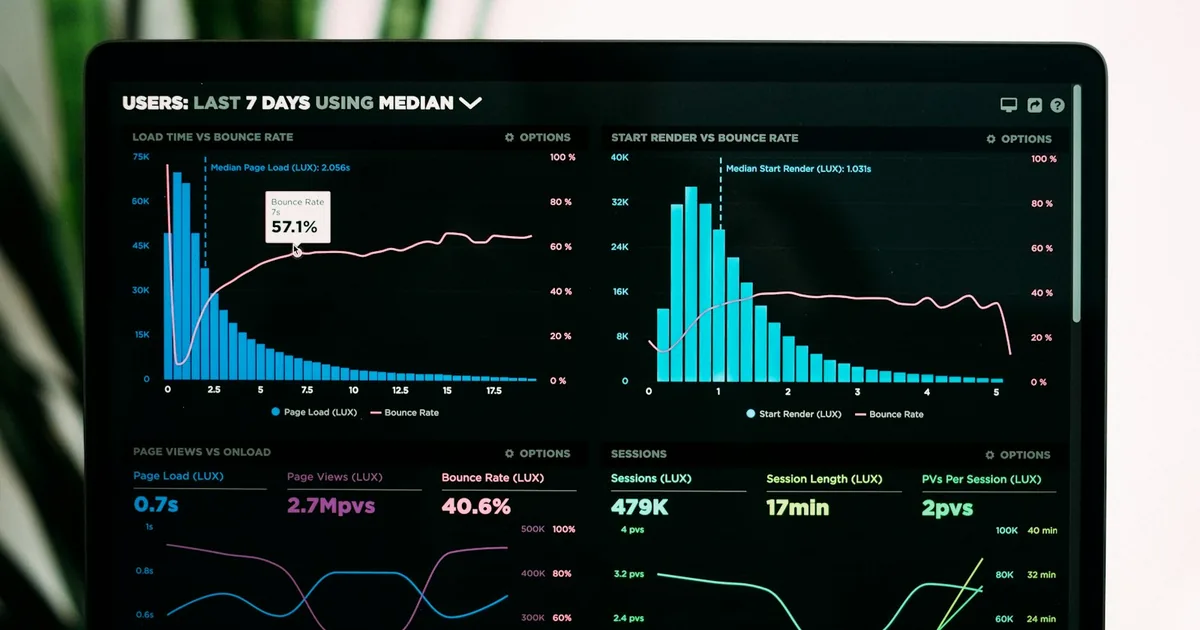
The Impact of Submetering Depth on Energy Savings
Peer-reviewed research shows submetering granularity strongly correlates with realized energy savings — and explains why deeper metering holds them.
Read the article: The Impact of Submetering Depth on Energy Savings
Submetering vs. Utility Meter Data: Understanding the Differences
Utility meter vs submeter data: what each captures, where the gaps are, and why circuit-level visibility turns invisible waste into recoverable savings.
Read the article: Submetering vs. Utility Meter Data: Understanding the Differences
The Real Cost of Monitoring Delays: A One-Year Analysis
Quantifying the financial cost of deferring energy monitoring deployment — from foregone consumption savings and unmanaged demand charges to unmitigated equipment failure risk and accumulating LL97 penalties.
Read the article: The Real Cost of Monitoring Delays: A One-Year Analysis
Data Centers and Energy Monitoring: When Every Watt Tells a Critical Story
How circuit-level monitoring drives PUE improvements, identifies stranded power capacity, and tracks UPS conversion losses in mission-critical data center environments — without any reliability risk.
Read the article: Data Centers and Energy Monitoring: When Every Watt Tells a Critical Story
US DOE Metering Best Practices: Achieving Utility Resource Efficiency
A summary of the DOE FEMP report on Energy Management Information Systems — identifying and implementing EMIS functions across design, procurement, implementation, and operation.
Read the article: US DOE Metering Best Practices: Achieving Utility Resource Efficiency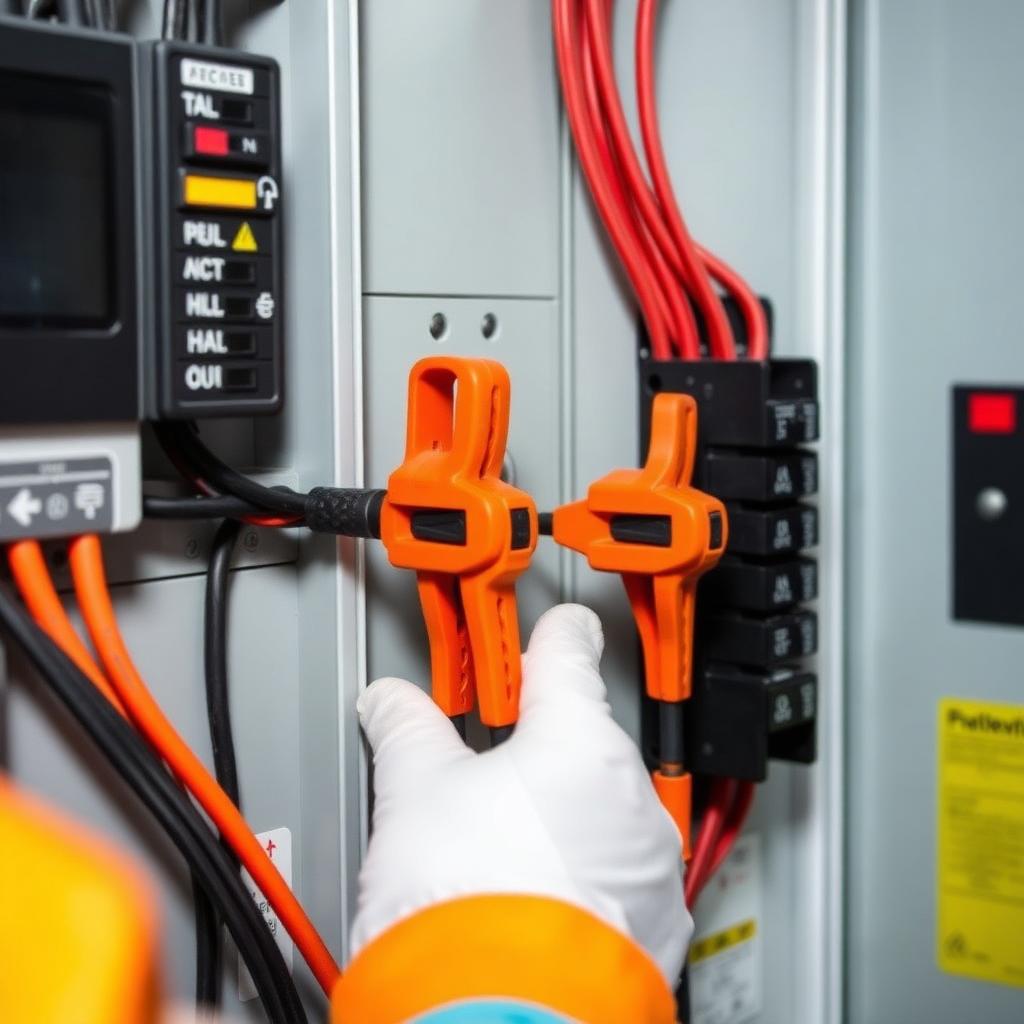
Non-Invasive Installation: Why Zero-Downtime Monitoring Is a Game Changer for 24/7 Operations
Self-powered, clamp-on wireless sensors deploy across hospitals, plants, data centers and hotels in days — without a single panel shutdown or operational interruption.
Read the article: Non-Invasive Installation: Why Zero-Downtime Monitoring Is a Game Changer for 24/7 Operations
The Hidden Cost of Not Knowing: Energy Waste in Commercial Buildings by the Numbers
The EPA estimates the average commercial building wastes ~30% of the energy it consumes. Here's where that waste actually lives — and how circuit-level data turns it into recoverable savings.
Read the article: The Hidden Cost of Not Knowing: Energy Waste in Commercial Buildings by the Numbers
What ESG Reporting Actually Requires — And Why Spreadsheets Cannot Deliver It
GRESB, SB 253, CSRD, and SEC-style climate disclosures all demand the same thing: granular, continuous, verifiable energy data. Utility-bill spreadsheets can't produce it — circuit-level monitoring can.
Read the article: What ESG Reporting Actually Requires — And Why Spreadsheets Cannot Deliver It
Two Sustainability Deadlines That Define the Next 100 Days for U.S. Operators
A Friday briefing on the California climate-disclosure deadline and Pennsylvania's tightening AEC market shaping how operators plan the rest of 2026.
Read the article: Two Sustainability Deadlines That Define the Next 100 Days for U.S. Operators
Wireless Energy Monitoring: Addressing the Security Questions IT Leaders Ask
How modern wireless energy monitoring architectures address IT security concerns — from air-gapped proprietary sensor protocols and outbound-only HTTPS to SOC 2 cloud platforms and OT network segmentation for Modbus TCP integration.
Read the article: Wireless Energy Monitoring: Addressing the Security Questions IT Leaders Ask
Top Energy Efficiency Trends for 2025: What Multisite Companies Needed to Know
Energy efficiency trends shaping 2025: rebate program shifts, IRA deadlines, and the upgrades delivering the fastest payback for facilities.
Read the article: Top Energy Efficiency Trends for 2025: What Multisite Companies Needed to Know
Best Multi-Utility Submetering Platforms: Electric, Water, Gas, BTU, Steam, and Compressed Air (2026)
The top three submetering platforms for each of the six industrial utilities — electric, water, natural gas, BTU/thermal, steam, and compressed air. Vendor comparisons with deployment cost, integration options, and best-fit use cases.
Read the article: Best Multi-Utility Submetering Platforms: Electric, Water, Gas, BTU, Steam, and Compressed Air (2026)
Multi-Site Retail Energy Management: From 1 Store to 500
How national retailers use circuit-level monitoring across hundreds of locations to benchmark performance, manage refrigeration loads, control HVAC schedules, and tame EV charging demand spikes.
Read the article: Multi-Site Retail Energy Management: From 1 Store to 500
How to Conduct an Energy Audit for Multisite Facilities: A Step-by-Step Guide
Practical guide to multi-site energy audits: scoping, baseline benchmarking, and ranking facilities by ROI before you cut a single check.
Read the article: How to Conduct an Energy Audit for Multisite Facilities: A Step-by-Step Guide
The Future of Commercial Energy Intelligence: What the Next Five Years Will Bring
Circuit-level IoT, AI-powered analytics, grid-interactive buildings, and hourly Scope 2 accounting are converging into mainstream practice from 2025 to 2030. Here's how to position your organization to benefit from day one.
Read the article: The Future of Commercial Energy Intelligence: What the Next Five Years Will Bring
DOE Releases AI for Energy — Opportunities for a Modern Grid and Clean Energy Economy
DOE's AI for Energy report names four near-term grid AI opportunities. What facility managers should take from it for energy strategy.
Read the article: DOE Releases AI for Energy — Opportunities for a Modern Grid and Clean Energy Economy
Measuring What Matters: KPIs for a Data-Driven Energy Program
The right KPIs separate effective energy programs from busywork. A practical hierarchy of strategic, operational, and diagnostic metrics — and the response protocols that turn data into results.
Read the article: Measuring What Matters: KPIs for a Data-Driven Energy Program
Section 179D Tax Deduction: Up to $5.00/sq ft for Commercial Buildings
Section 179D commercial buildings tax deduction: who qualifies, how to claim up to $5/sq ft, and how to stack it with utility rebates.
Read the article: Section 179D Tax Deduction: Up to $5.00/sq ft for Commercial Buildings
Industrial Energy Management: Cutting Costs Without Cutting Production
How circuit-level monitoring enables targeted energy cost reduction in manufacturing — from motor efficiency analysis and VFD opportunities to compressed air leak detection and process-aware demand management.
Read the article: Industrial Energy Management: Cutting Costs Without Cutting ProductionStay Ahead of the Energy Curve
Monthly market reports, rebate alerts, and sustainability updates delivered to your inbox.